

At a Glance
Engine oil grades indicate how oil behaves at cold start and operating temperature. 5W‑30 balances winter fluidity with warm-engine stability, making it suitable for many vehicles. Choosing the incorrect grade can reduce fuel efficiency, void warranties, and cause wear. Always match viscosity and spec to manufacturer guidance to ensure engine protection.
What “5W-30” Actually Means & How It Compares to Other Grades
Engine oil plays a central role in protecting your vehicle’s engine, and understanding the meaning of engine oil grades is essential for making choices for your car. This can help you choose a lubricant that supports the long-term performance of your vehicle.
Among the different grades available, 5W-30 is one of the most commonly recommended options for modern cars. Its balance of cold-start protection and stable performance at operating temperature makes it suitable for a wide range of everyday driving conditions.
The label ‘5W-30’ describes oil flow at various temperatures. The ‘5W’ indicates how easily the oil moves in cold conditions, which helps the engine crank smoothly during start-up.
The ‘30’ reflects how the oil performs once the engine reaches normal operating temperature (100°C), ensuring stable protection during daily driving.
When comparing engine oils like 0W-20, 5W-30 and 10W-40, the primary differences are found in their viscosity characteristics and oil performance under varying temperatures and engine loads. Thinner grades improve efficiency and cold starts, while thicker oils offer protection for older engines or higher-temperature environments.
If you’re wondering, “Which engine oil is good for my car?” The answer usually comes down to your driving conditions and service intervals.
In this blog, we’ll explain engine oils in a clear and simple way so you can understand why grades like 5W-30 behave differently from thicker or thinner options.
Why Viscosity, Climate & Specifications Matter for Engine Oil
Viscosity shapes how well the oil protects moving parts, and incorrect viscosity can lead to extra strain during daily driving. A grade that is too thin or too thick for your engine can impact engine function and potentially lead to wear in the long run.
The climate you drive in also affects how your engine oil behaves. Typically, you’ll experience cold starts in winter and warmer conditions in summer, so it is important to select an oil grade that offers stability across changing weather conditions.
Additionally, your car manual gives the correct ACEA or API specification. Following that guidance helps in selecting the right grade to support performance and keeps the engine running as the manufacturer intended.
Common Mistakes & Warning Signs When Choosing Engine Oil Grades
Many drivers face confusion when choosing oil for their vehicles, especially if they have dealt with leakage issues in the past.
To help you make a more informed decision, here are the most common mistakes and the key warning signs to look out for.
Common Mistakes
- Using an oil grade that does not match the car’s manual
- Ignoring climate needs for cold starts
- Mixing different oils during top-ups
Warning Signs
- Unusually louder engine noise after a service
- Slower cranking on cold mornings
- Oil turning dark or thin too quickly
Can Using the Wrong Oil Affect Fuel Economy, Warranty or Engine Life?
Using the wrong oil grade can increase friction inside the engine, which may lower fuel economy during daily driving. A mismatch in viscosity also forces other parts of your car to work harder and can lead to long-term wear.
Many modern engines rely on oils that support emission systems, so an incorrect grade can affect how those systems operate. This may also risk failing to meet the conditions of your warranty.
Choosing the correct oil is critical to help your engine maintain stable performance and protect its lifespan.
Practical Tips for Choosing, Checking and Topping Up the Right Grade
Selecting the right engine oil becomes a simpler process once you know where to find information about the oil you need. Your car manual and the labels on your oil cap guide you towards the grade that supports stable engine performance.
To help you take the next step with confidence, here are clear and practical ways that make the process easier to follow.
- Check your car manual for the approved grade and specification
- Use the same grade consistently during routine top-ups
- Park on level ground and let the engine cool before checking oil levels
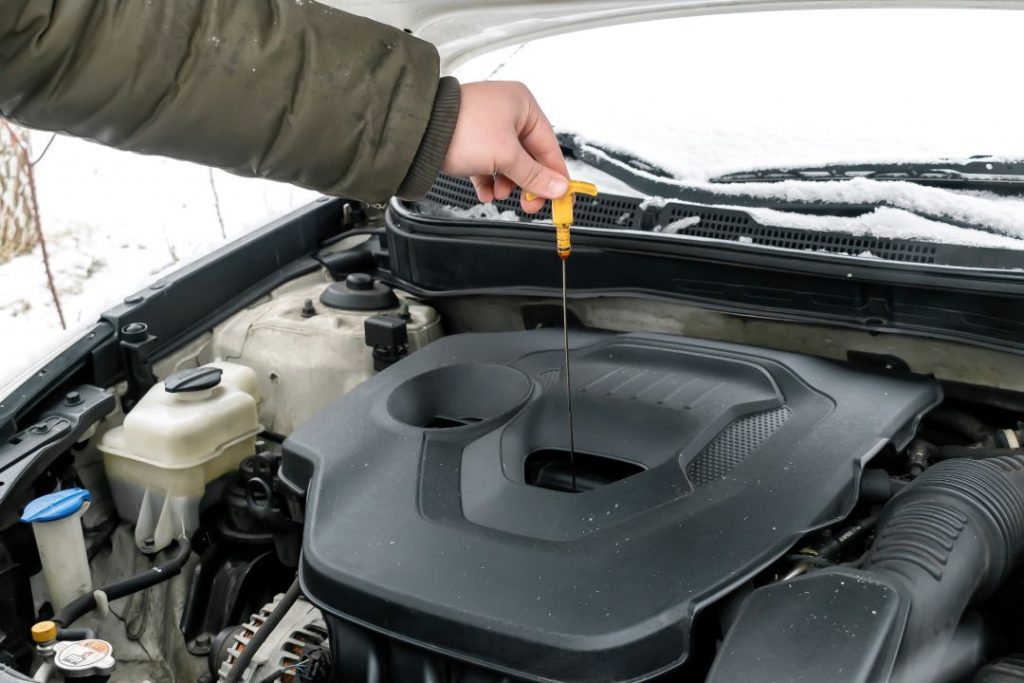
- Use the dipstick to confirm the current level and colour
- Add oil gradually during top-ups to avoid overfilling
You can also read our blog on car engine oil myths to make an informed decision.
Contact In Town Automotive to Replace Your Engine Oil Today
Now that you understand engine oil grades and how they affect your vehicle, if you’re looking to replace your engine oil at a trusted garage, we can help ensure your vehicle continues to run at peak condition.
At In Town Automotive, we use top-of-the-line vehicle diagnostic tools to conduct full-service scans and also offer a FREE 16-point vehicle health check. Our technicians are well-equipped to tackle various car issues to support your vehicle’s health.
To keep your used car running safely and efficiently, we recommend sending it in for an all-inclusive health check. We have years of experience in fixing air conditioning, cambelts, exhausts, wheel alignment, and more.
With over 1000+ positive reviews on Google, we have a proven track record for delivering reliable car services. Consider visiting our services page or contacting us to book an appointment today.


 bookings@intownautomotive.co.uk