At a Glance
Failing an MOT doesn’t always mean there’s a major problem with your car. In many cases, it’s something simple like worn tyres, a faulty light or damaged wiper blades.
The good news is that many of the most common MOT failures can be avoided with a few quick checks before your test.
If you know what MOT testers are looking for, you’ll have a much better chance of passing first time and avoiding unexpected repair bills. Here’s a look at the issues that cause the most MOT failures and what you can do to help prevent them.
Faulty Lights
One of the most common reasons for an MOT failure is something as simple as a faulty bulb.
Your vehicle’s lights are checked to make sure they all work correctly, including:
- Headlights
- Brake lights
- Rear lights
- Indicators
- Number plate lights
- Fog lights
Because some bulbs can fail without you noticing, it’s worth walking around the car every few weeks or asking someone to help you check them.
Worn Tyres
Your tyres are the only part of the car that actually touches the road, so it’s no surprise they’re checked carefully during an MOT.
The legal minimum tread depth is 1.6mm across the central three-quarters of the tyre.
However, tread depth isn’t the only thing testers look at.
They’ll also check for:
- Cuts
- Bulges
- Serious cracking
- Damage to the tyre wall
Keeping your tyres correctly inflated and checking them regularly can help them last longer and reduce the chance of an unexpected MOT failure.
Brake Problems
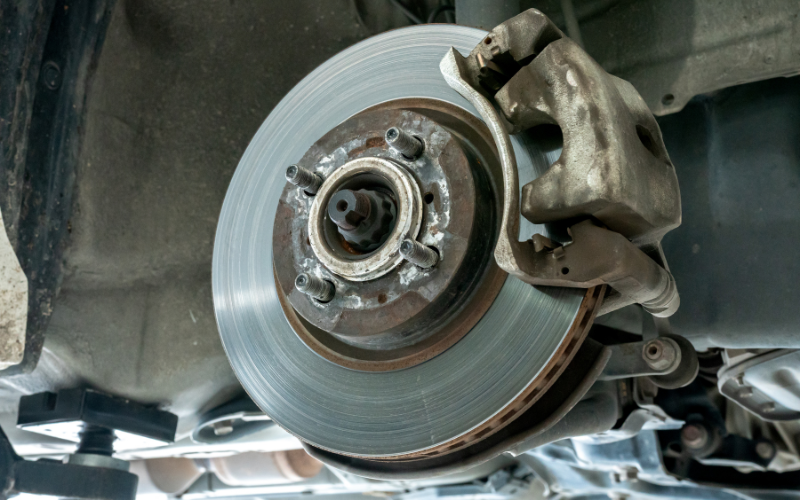
Brakes naturally wear over time.
Many drivers don’t realise there’s a problem until they hear grinding noises or notice the car taking longer to stop.
During an MOT, the tester checks the braking performance along with the condition of components where visible.
Common issues include:
- Worn brake pads
- Worn brake discs
- Low brake fluid
- Uneven braking performance
If your brakes don’t feel quite right, it’s always worth getting them checked before your MOT arrives.
Suspension Wear
Suspension components work hard every time you drive.
Potholes, speed bumps and rough roads all contribute to wear over time.
Problems aren’t always obvious, but you may notice:
- Knocking noises
- Poor handling
- Excessive bouncing
- Uneven tyre wear
Because suspension issues often develop gradually, many drivers don’t realise there’s a fault until the MOT inspection.
Windscreen Wipers and Washer Fluid
Good visibility is essential for safe driving.
If your wiper blades leave smears, miss sections of the windscreen or have split rubber, they may need replacing.
Your washers must also work properly and have enough fluid available.
Fortunately, this is one of the easiest MOT failures to avoid with a quick check before your appointment.
Warning Lights
Modern cars constantly monitor important safety and emissions systems.
If certain dashboard warning lights remain illuminated during the MOT, your vehicle could fail.
Examples include:
- Engine management light
- ABS warning light
- Airbag warning light
If a warning light appears before your MOT, it’s always worth getting it investigated rather than hoping it disappears on its own.
Poor Visibility
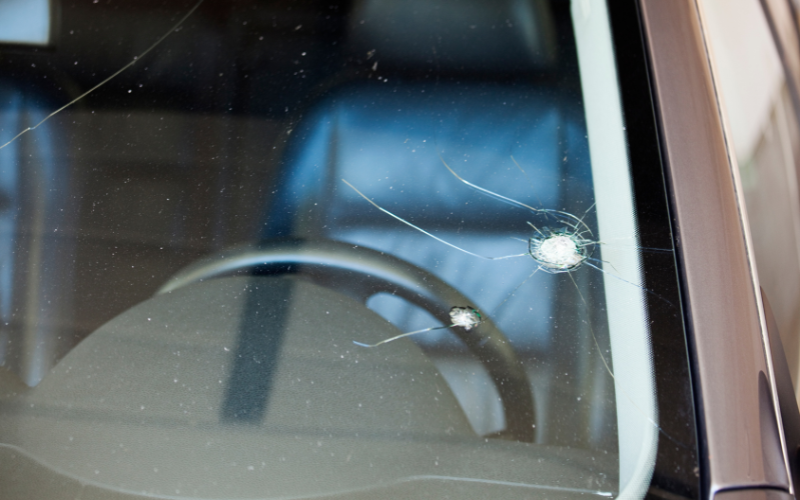
Your tester also checks that you have a clear view of the road.
Problems that can lead to an MOT failure include:
- Cracked windscreens in the driver’s view
- Damaged mirrors
- Loose mirrors
- Excessively worn wiper blades
Even something as simple as damaged mirror glass may need attention before the vehicle can pass.
Registration Plates
It’s something many people overlook.
Your registration plates need to be:
- Clearly readable
- Securely attached
- Correctly spaced
- Free from excessive damage
Dirty or damaged number plates can sometimes cause an MOT failure that’s easily avoided.
Excessive Exhaust Emissions
Modern petrol and diesel vehicles must meet emissions standards during the MOT.
If your engine isn’t running correctly, or there’s a fault with the emissions system, your vehicle may fail the emissions test.
Sometimes drivers notice warning signs beforehand, including:
- Poor fuel economy
- Excessive smoke
- A check engine warning light
- Reduced engine performance
Getting these issues looked at early can often prevent bigger repairs later on.
Horn
Your horn might not be something you use very often.
But it still forms part of the MOT inspection.
If it doesn’t work properly or sounds weak, you’ll need to have it repaired before the vehicle can pass.
Fortunately, it’s another item that’s easy to check before your appointment.
How to Improve Your Chances of Passing First Time
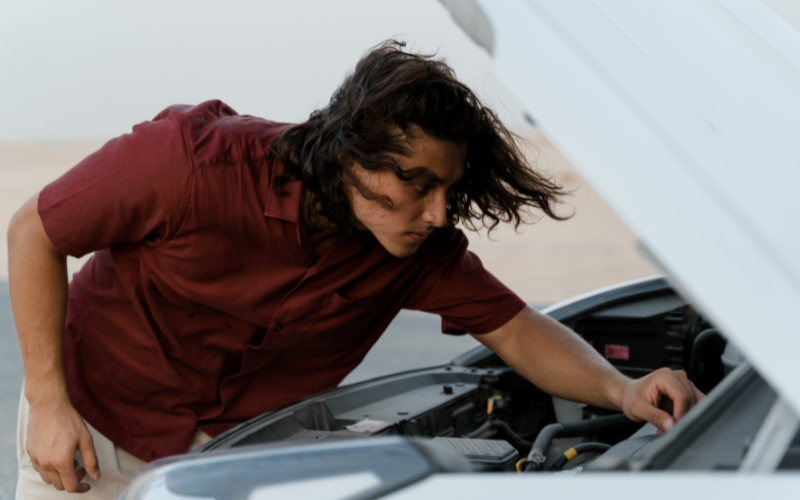
A few minutes spent checking your car beforehand could save both time and money.
Before your MOT, it’s worth checking:
- All exterior lights work correctly.
- Tyres have plenty of tread and no visible damage.
- Windscreen washer fluid is topped up.
- Wiper blades clear the screen properly.
- Dashboard warning lights aren’t showing.
- The horn works.
- Registration plates are clean and secure.
None of these checks takes very long, but together they can help avoid some of the most common reasons vehicles fail.
Book Your MOT with In Town Automotive
An MOT isn’t about catching drivers out.
It’s there to make sure your vehicle continues to meet the minimum safety and environmental standards required for the road.
At In Town Automotive, our experienced technicians carry out MOT testing thoroughly and professionally. If your vehicle does need repairs, we’ll clearly explain what’s required and help get you safely back on the road as quickly as possible.
Whether your MOT is due soon or you’d like us to check your vehicle beforehand, get in touch with In Town Automotive today to book your appointment.

