
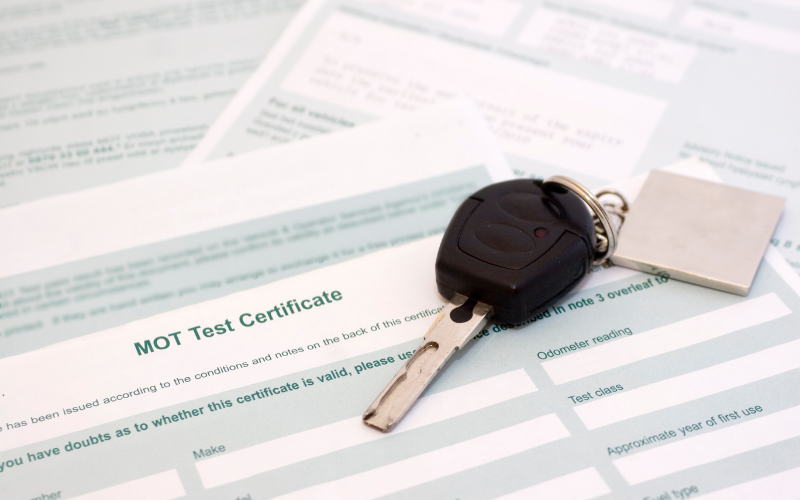
Now that you’re more familiar with the different MOT defect categories, let’s take a closer look at each one, including common examples and what to do if they appear on your MOT results.
MOT Advisories
As mentioned in the video, an advisory highlights something that isn’t serious enough to affect the result of the test but may require attention in the future. Common examples of MOT advisories can include:
- Tyres showing signs of wear but still meeting the MOT requirements
- Brake components showing wear without meeting the criteria to be a more serious defect
- Vehicle rusting and corrosion that isn’t serious enough to impact the vehicle’s structure
If your MOT results do list advisories for your vehicle, the best practice is to monitor those mentioned and consider dealing with them before they develop into more serious problems.
Minor MOT Defects
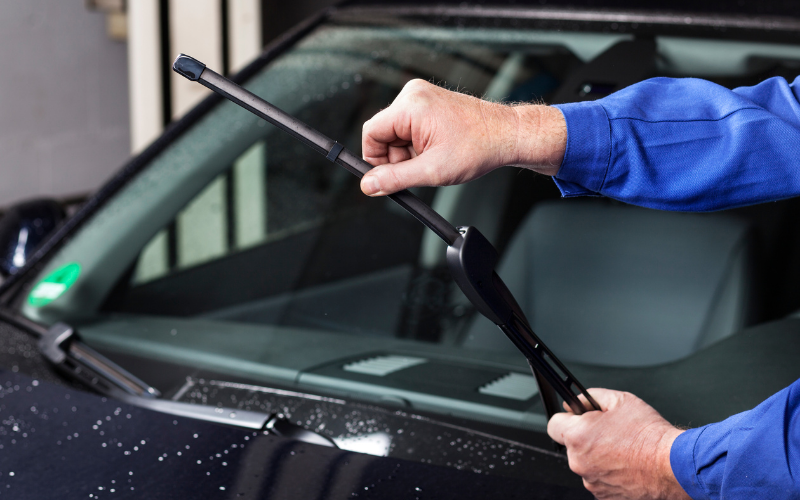
Unlike an advisory, a minor defect is an actual issue with your vehicle; however, it is one that isn’t serious enough to fail an MOT. Minor defects won’t significantly affect the safety of the vehicle or impact the environment, which is why you can still receive a pass even if the MOT identifies some. Common examples of minor MOT defects can include:
- A windscreen wiper blade being slightly defective but still able to clear the windscreen effectively
- A slightly damaged rear-view mirror that still provides an adequate view
- A registration plate that is slightly damaged but still readable
If your MOT identifies minor defects, it’s worth addressing them when necessary to avoid more serious problems and repairs arising in the future.
Major MOT Defects
On the other hand, major MOT defects are more serious issues that pose a more significant threat to the safety of your vehicle and the environment. They will therefore cause your vehicle to fail its MOT and will need to be sorted before it can pass. Major defects can cover a range of issues, such as:
- A headlamp that is missing or not working
- Brake pads worn down to the wear indicator
- A tyre with a cut deep enough to reach the ply or cords
If you find yourself with major defects on your MOT results, you will need to have them dealt with promptly to ensure your vehicle remains safe for you and other road users.
Dangerous MOT Defects
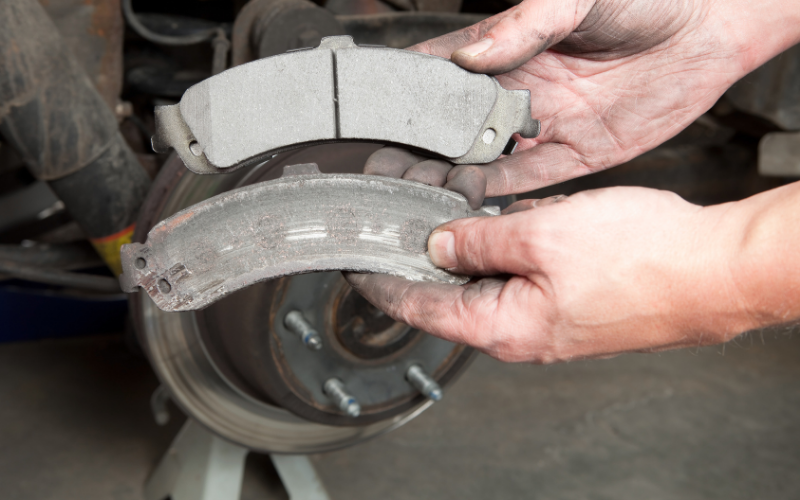
Finally, dangerous MOT defects are the most serious issues an MOT can identify. These issues pose an immediate road safety risk or can have a serious impact on the environment. Dangerous defects can include serious issues such as:
- Brake pads worn below 1.5mm
- A steering wheel that is likely to become detached
- A fractured wheel
If an MOT tester identifies a dangerous defect, you must have this repaired before driving the vehicle again. If you drive your vehicle after it fails its MOT because of a dangerous defect, you can face a fine, penalty points or even a driving ban.
How to Check Previous MOT Defects and Advisories
If you’re concerned that you may have unaddressed previously identified advisories and minor defects developing into more serious issues, you can check your vehicle’s previous MOT results online. The GOV.UK MOT history service lets you see what previous tests have recorded, as well as whether your car passed or failed. Simply enter your registration number (number plate), and from there all details can be easily viewed.
What Happens After Your MOT Defects Are Repaired?
After your more serious defects have been sorted and repaired, you will need a retest. This is needed to ensure that your vehicle’s issues are completely resolved and it is in good condition to be driven.
Depending on where you have taken your vehicle to have its MOT and repairs, you may be entitled to a free retest or a reduced fee. If your vehicle passes its retest, you will then receive a new MOT certificate confirming that it meets the required standards.
Need Help With Your MOT? Contact In Town Automotive
If your vehicle is due an MOT or needs repairs following a failed test, our friendly and experienced team is here to help you get your vehicle back on the road safely.
Ready to book? Book your MOT online today or get in touch with the In Town Automotive team.

 bookings@intownautomotive.co.uk