

At a Glance
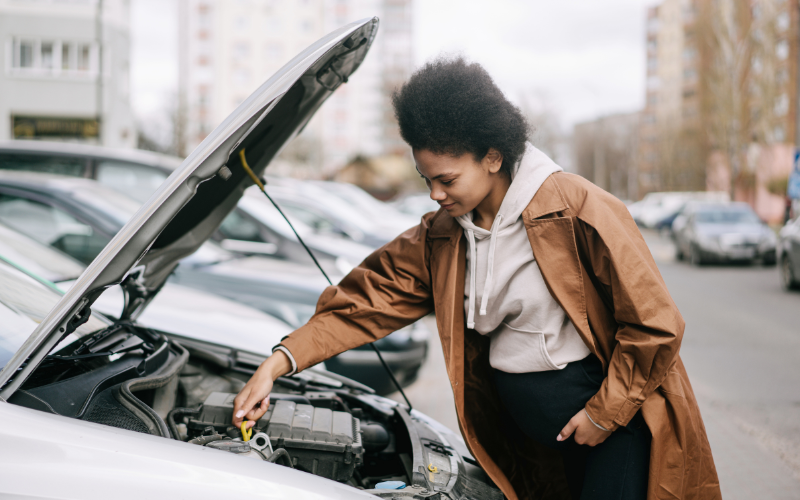
If you want your car to last, consistency matters more than anything else. Regular servicing, keeping an eye on tyres and fluid levels, and sorting out small problems before they become bigger ones can all help your car stay reliable for longer. It doesn’t take hours every week, just a few good habits that can save you money and help avoid unexpected repairs.
How to Increase the Lifespan of Your Car
It’s easy to think modern cars will just keep going as long as they start every morning.
And while today’s vehicles are certainly built to last, they’re still made up of hundreds of parts that gradually wear every time you drive.
The difference between a car that gives years of reliable service and one that’s forever needing repairs often comes down to how well it’s looked after. Most major faults don’t happen overnight. They usually begin as something small that’s ignored because the car still feels fine to drive.
The good news is that extending the life of your car doesn’t mean spending a fortune or knowing how to fix it yourself. In most cases, it’s the everyday things that make the biggest difference.
Don’t Skip Servicing
If you ask almost any mechanic what helps a car last the longest, regular servicing will be near the top of the list.
It’s tempting to delay it when everything seems to be working normally, especially if life gets busy or the mileage isn’t quite where you expected it to be. But servicing isn’t just about replacing the oil. It’s also a chance to spot wear before it turns into a breakdown.
Things like worn brakes, ageing belts, small fluid leaks or tyres nearing the end of their life are often picked up during routine servicing, giving you the chance to deal with them before they become bigger, more expensive problems.
Think of it less as fixing faults and more as preventing them.
Check Your Oil Every Now and Then
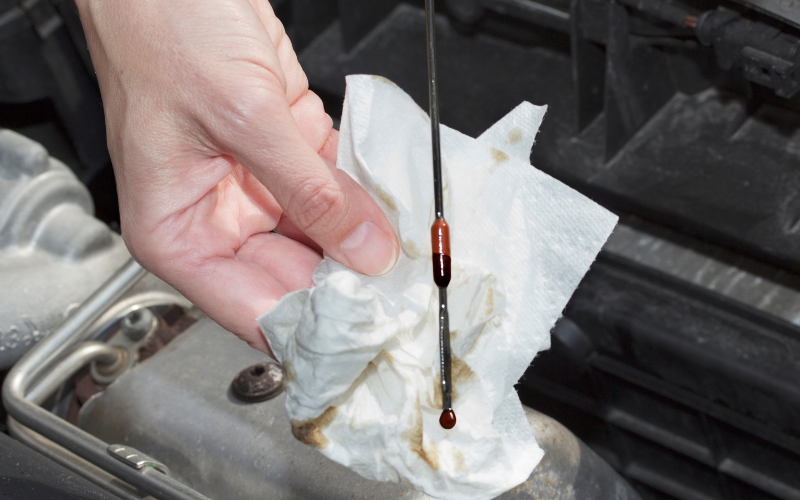
Engine oil has one of the hardest jobs on the car.
It lubricates moving parts, helps control heat and reduces wear every time the engine is running. As the miles add up, the oil gradually loses its ability to do that job properly.
Checking the level only takes a couple of minutes and could help prevent thousands of pounds’ worth of engine damage.
If you find yourself needing to top it up regularly, don’t assume it’s just part of owning an older car. A small leak or excessive oil consumption is always worth investigating before it develops into something more serious.
Look After Your Tyres
Tyres are easy to forget about because they’re doing their job every time you drive.
Until one goes flat or fails an MOT, many drivers don’t give them much thought.
Keeping them at the correct pressure helps them wear evenly, improves fuel economy and allows the car to handle as it should. Underinflated tyres wear out more quickly and can place extra strain on suspension and steering components too.
While you’re checking the pressures, have a quick look over the tyres themselves. Uneven wear, cuts or objects embedded in the tread are all worth getting checked sooner rather than later.
Keep an Eye on Fluid Levels
Your car relies on several different fluids to keep everything working properly.
That includes the engine oil, coolant, brake fluid and windscreen washer fluid. Depending on the vehicle, there may also be power steering fluid to check.
You don’t need to inspect them every time you drive, but lifting the bonnet every few weeks is a good habit to get into.
If one of those fluids keeps dropping, it’s usually your car telling you that something needs attention. Catching a small coolant or oil leak early is almost always cheaper than dealing with the damage it can cause if it’s left.
Don’t Hope Warning Lights Will Go Away
Modern vehicles monitor dozens of different systems, and warning lights are there to help you deal with problems early. Ignoring them doesn’t necessarily mean the car will break down tomorrow, but it can allow a relatively straightforward fault to become something much more expensive.
If you’re ever unsure what a warning light means, it’s better to get it checked than to keep guessing.
A Gentler Driving Style Goes a Long Way

Hard acceleration, late braking and hitting potholes at speed all increase wear on components like the clutch, brakes, suspension and tyres.
Driving a little more smoothly won’t just make the journey more comfortable. Over the course of thousands of miles, it can also help many of those parts last noticeably longer.
Be Kind to the Engine When It’s Cold
Modern engines don’t need warming up on the driveway for ten minutes before you leave.
In fact, most manufacturers recommend setting off fairly soon after starting the engine.
What they don’t recommend is flooring the accelerator while everything is still cold.
For the first few minutes, the engine oil is still reaching all the moving parts and the engine hasn’t yet reached its normal operating temperature. Taking it easy until it warms up helps reduce unnecessary wear, particularly during colder weather.
Washing Your Car Does More Than Improve Its Appearance
Keeping your car clean isn’t just about pride of ownership.
Road salt, mud and other dirt can gradually damage paintwork and encourage corrosion, especially underneath the vehicle where you don’t normally look.
Giving the car a regular wash, particularly during winter, helps protect it from that long-term damage.
The inside deserves some attention too. Keeping the interior clean makes it much easier to spot damp carpets, water leaks or unusual smells before they become something more serious.
If Something Feels Different, Don’t Ignore It
Most people know how their own car normally feels.
That’s why even a small change often stands out.
Perhaps you’ve noticed a new vibration through the steering wheel, a squeak when braking or an unusual knocking noise over bumps.
It doesn’t automatically mean a major repair is around the corner.
But cars rarely fix themselves.
Having those changes checked early often means smaller repairs and less chance of another component being damaged as the fault develops.
Replace Parts Before They Fail Completely
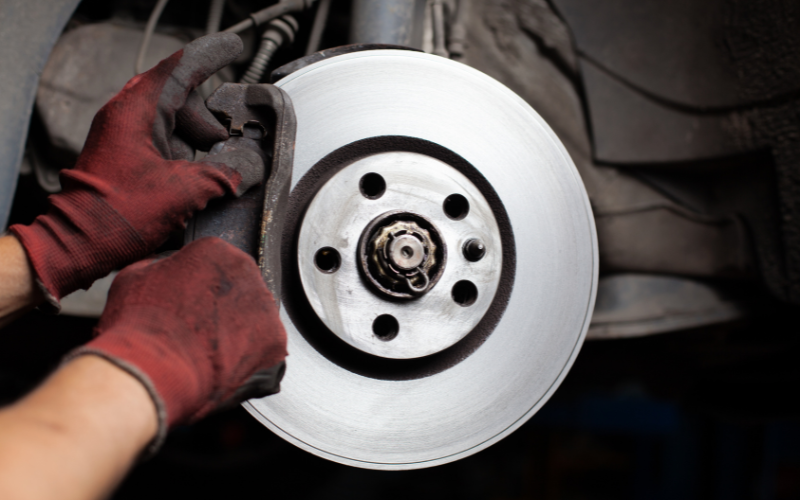
Every car contains parts that are designed to wear out.
Brake pads become thinner, tyres wear down, filters become blocked and wiper blades gradually stop clearing the windscreen properly.
Replacing them before they completely fail isn’t wasting money. It’s simply part of maintaining the vehicle properly.
Routine servicing usually identifies these items long before they become an inconvenience.
Don’t Keep Putting Things Off
A slight oil leak.
A noise that’s only there occasionally.
A warning light that comes and goes.
It’s easy to convince yourself you’ll get around to it eventually.
The problem is that faults rarely stay exactly the same.
Small leaks become bigger ones. Minor noises often point to components that continue wearing every time you drive. What could have been a relatively simple repair can gradually turn into a much larger job.
Getting things looked at while they’re still small usually saves both money and hassle.
When Is It Time to Visit a Garage?
You don’t always need a warning light to tell you something’s wrong.
If your car suddenly starts driving differently, making new noises or leaking fluid, it’s worth having it inspected.
The same applies if you notice:
- Warning lights that stay on.
- Vibrations through the steering wheel.
- Pulling to one side.
- Reduced performance.
- Changes to the brakes or steering.
- Any fluid leaking underneath the vehicle.
If something doesn’t seem right, there’s usually a reason.
Keep Your Car Going for Longer with In Town Automotive
There’s no secret to making a car last.
It’s usually the owners who stay on top of the basics that get the most years from their vehicles. Regular servicing, keeping an eye on small changes and dealing with problems before they grow all help your car stay reliable for longer.
Whether your car is due its next service or you’ve noticed something that doesn’t quite feel right, the team at In Town Automotive is here to help. From routine maintenance to diagnosing developing faults, we’ll help keep your vehicle safe, reliable and ready for whatever the road throws at it.


 bookings@intownautomotive.co.uk