
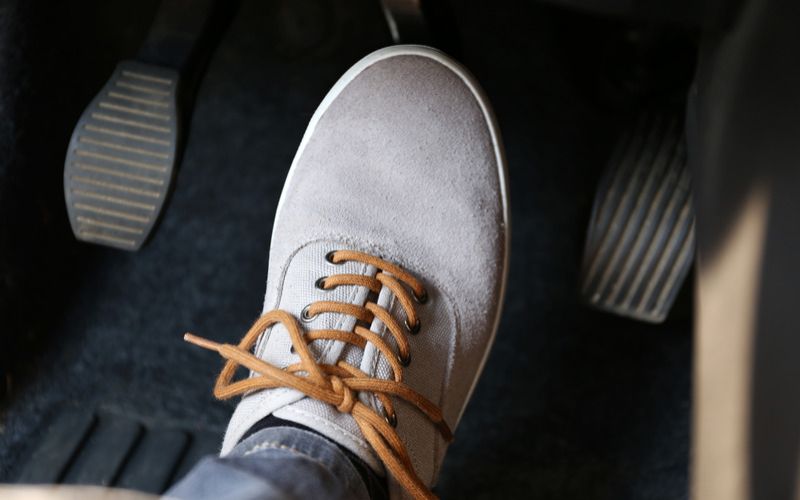
Brake judder usually announces itself on a motorway slip road, with the steering wheel shaking as the speed comes down. It isn’t always the wheel, though. In some cars it comes through the brake pedal, and in others the whole body shudders until the car has stopped.
Between stops, there may be nothing wrong with how the car drives at all.
If your car vibrates when braking, the brake discs are a sensible place to start looking. They aren’t the only suspect, however. A seized caliper, tired suspension or a problem with a wheel can all feel much the same from the driver’s seat.
What Causes Brake Judder?
Braking relies on the pads gripping the discs evenly. Where that grip rises and falls with each turn of the disc, the driver feels it in the pedal or the steering wheel.
The severity varies from one fault to the next. On some cars it only appears when leaving the motorway. On others, it’s there at every junction.
Common Causes of Vibration When Braking
Uneven Brake Discs
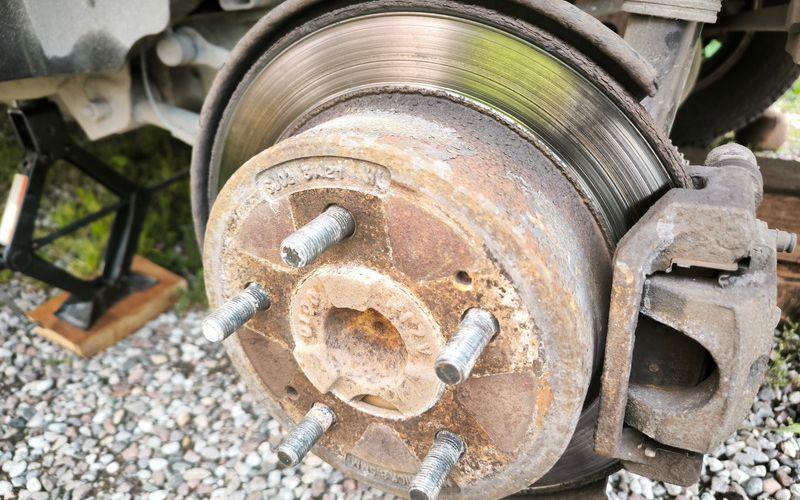
Most people know this as warped brake discs, although that’s not always an accurate description of what’s happened.
A brake disc can develop small variations in thickness as it wears. There can also be an uneven transfer of friction material from the pads onto the disc. Both can cause changes in braking force as the wheel rotates.
The differences can be so small that you wouldn’t notice them with the wheel off and the disc right in front of you. A technician can use measuring equipment to check for variations that aren’t visible to the naked eye.
Judder from the front brakes is often felt through the steering wheel, particularly when slowing down from higher speeds.
Worn or Damaged Brake Pads
Brake pads don’t always wear at the same rate. Sometimes one pad wears considerably more than the other, which can indicate a problem with the caliper or its sliders.
Damaged pads or uneven friction surfaces can contribute to brake judder too. There may be some squeaking or grinding, depending on the condition of the pads.
It’s worth checking the discs at the same time. Fitting new pads against a damaged or uneven disc may not resolve the vibration.
A Sticking Brake Caliper
Given the amount of water, dirt and road salt our cars are exposed to in the UK, it’s hardly surprising that brake calipers sometimes seize.
A caliper that isn’t releasing properly can leave a brake pad rubbing against the disc throughout a journey. That generates heat, accelerates wear and can eventually lead to judder.
Other symptoms include:
- The car pulling to one side when braking
- A burning smell after driving
- Excessive heat coming from one wheel
- The car feeling sluggish or as though something is holding it back
A binding brake can get extremely hot. If there’s smoke or a strong burning smell, stop somewhere safe and arrange recovery.
Problems With Your Wheels or Tyres
One of the more useful things to establish is whether the car vibrates when you’re driving normally.
An unbalanced wheel will typically cause vibration within a certain speed range, regardless of whether you’re braking. A damaged tyre or bent wheel can have a similar effect.
Braking can make an existing vibration more noticeable as the weight of the car shifts forwards.
If your car shakes at high speeds as well as when braking, let your garage know. It gives them a better idea of what needs checking.
Worn Suspension or Steering Parts
Suspension bushes deteriorate with age and mileage. Once there’s excessive movement in a bush or ball joint, the wheel may no longer remain as stable under braking as it should.
There are often other symptoms that have been present for a while. Perhaps you’ve heard knocking noises over speed bumps or noticed that the front tyres are wearing unevenly.
A worn suspension component can cause vibration in its own right or make a relatively minor brake judder feel much more severe.
Corrosion on the Brake Discs or Wheel Hubs
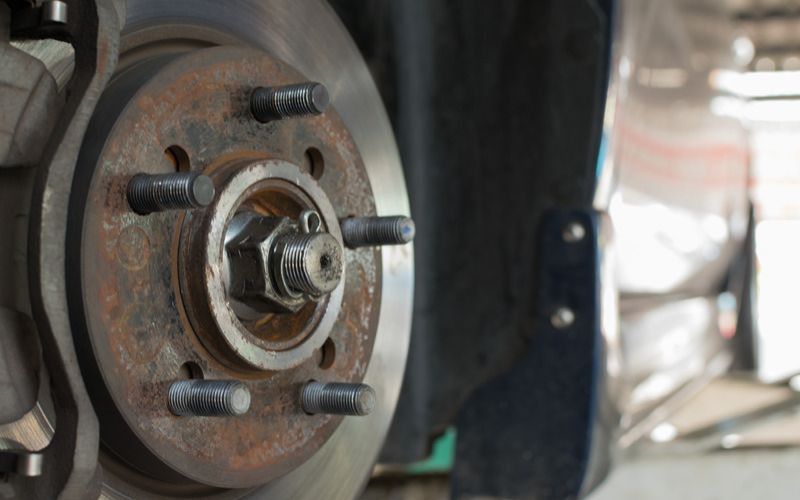
A car left outside in the rain will often have a film of rust on its discs by the next morning. That’s expected, and a few ordinary stops are normally enough to clean it off.
Weeks or months of standing are a different matter. More substantial corrosion can leave the braking surface uneven.
The hub face behind the disc deserves attention too, and doesn’t always get it. A new disc has to sit flat against the hub. Rust or debris left on that face will tilt it very slightly, which introduces runout and, with enough miles, uneven wear.
Why Does My Steering Wheel Shake When Braking?
A shaking steering wheel when braking often points towards a fault at the front of the car. The front wheels are connected to the steering, so any unevenness in how they’re being braked has a direct route to the driver’s hands.
Rear brake faults are more likely to be felt in the seat or the floor. That’s only a rough guide, and it shouldn’t be relied on to identify the faulty axle.
What does help is detail at the point of booking: where the vibration is felt, roughly what speed it begins at, and whether the car has had brake work done recently.
Why Does My Car Only Vibrate When Braking at High Speeds?
A small variation in the surface or thickness of a brake disc might barely be noticeable when slowing down in town.
Coming off a motorway is different. There’s considerably more energy for the brakes to absorb, and an existing fault can become much more apparent.
The same applies to certain suspension problems. As the car slows down and more load is placed on the front wheels, movement in worn components can become noticeable.
Don’t be tempted to carry out a series of hard stops to work out where the vibration is coming from. There’s no need to put yourself or other road users at risk to diagnose it.
Is It Normal for the Brake Pedal to Vibrate?
Under certain circumstances, it is.
If the ABS activates during an emergency stop or when braking on a slippery road, you may feel the brake pedal rapidly pulsating. This is the system adjusting the braking pressure to help prevent the wheels from locking.
A pedal that judders during ordinary braking on a dry road is another matter.
If you’ve noticed a soft or spongy brake pedal alongside the vibration, or a change in how effectively the car stops, the brakes need investigating.
Is It Safe to Keep Driving?
Without inspecting the car, it’s impossible to know whether you’re dealing with uneven disc wear or something more serious.
A slight vibration that has developed gradually still warrants an inspection. Brakes and steering components are not things you want to leave until they become noticeably worse.
Stop driving as soon as it’s safe to do so and arrange recovery if:
- The vibration is sudden or particularly severe
- The car pulls sharply to one side
- You can hear loud grinding when braking
- The brake pedal feels unusually soft
- There’s smoke or a strong burning smell
- The brakes aren’t stopping the car as effectively as usual
If you’re unsure whether it’s safe to drive the car to a garage, speak to your garage or breakdown provider before making the journey.
How Is Brake Judder Diagnosed?
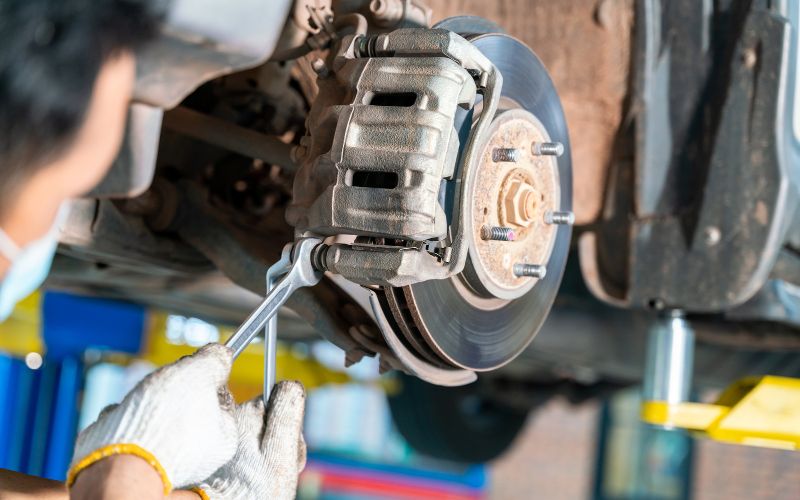
Replacing the discs and pads without checking anything else can be an expensive way of finding out that they weren’t the cause.
Depending on the symptoms, a technician may measure the thickness of the discs at several points and check their runout. They’ll also look at the condition of the pads, check that the calipers are operating freely and inspect the wheel hubs.
If nothing there explains the vibration, the wheels, tyres, suspension and steering components will need investigating.
It’s particularly important to establish the underlying cause if you’ve already had new brakes fitted and the judder has returned.
Can You Prevent Brake Judder?
Brake components will eventually wear out, regardless of how carefully you drive. However, anticipating traffic and avoiding unnecessary heavy braking can help reduce the amount of heat and wear the brakes are subjected to.
Regular car servicing also gives your technician an opportunity to pick up uneven pad wear, binding brakes and deteriorating suspension components.
If you’ve recently had your brakes replaced and something doesn’t feel right, go back to the garage that fitted them rather than waiting to see whether it sorts itself out.
Brake Inspections at In Town Automotive
If you’ve started noticing a vibration through the steering wheel or brake pedal, our team can help establish what’s causing it.
At In Town Automotive, we carry out brake inspections and repairs at both our Northampton and Kettering garages. We’ll check the relevant components, explain what we’ve found and advise you on any work that’s needed.
If your car vibrates when braking, get in touch with our team to arrange an inspection.

